
Different Colors of Ribbons and What They Represent
Ribbons are more than just decorative items. They are symbols that convey deep meanings and hold emotional, social, and historical significance. From spreading awareness to showing support for a cause, ribbons have been used throughout history to represent various movements, conditions, and social causes. Each color of ribbon carries its own message, and in this blog, we will explore what different colors of ribbons represent and the causes they support.
1. Red Ribbon
The red ribbon is perhaps one of the most recognized symbols of awareness. It is primarily used to represent HIV/AIDS awareness and support for those living with the disease. The red ribbon was first introduced in 1991 by the Visual AIDS Artists’ Caucus in New York, with the intention of promoting understanding and visibility for those affected by the HIV/AIDS epidemic.
In addition to HIV/AIDS, the red ribbon also symbolizes heart disease awareness, especially during American Heart Month (February). It serves as a reminder to take action to prevent heart disease and to promote healthy heart habits.
Key Associations of the Red Ribbon:
- HIV/AIDS Awareness
- Heart Disease Awareness
- Women’s Heart Health

2. Pink Ribbon
One of the most widely recognized symbols in the world, the pink ribbon is synonymous with breast cancer awareness. Since it was first introduced in 1992, the pink ribbon has been used as a symbol of support for breast cancer survivors and those undergoing treatment. It also promotes early detection through regular breast exams and mammograms.
Pink ribbons are often seen during Breast Cancer Awareness Month (October), with various fundraising events and campaigns to increase awareness and contribute to research.
Key Associations of the Pink Ribbon:
- Breast Cancer Awareness
- Breast Cancer Research Funding
- Support for Breast Cancer Survivors

3. Yellow Ribbon
The yellow ribbon is most commonly associated with support for military service members, especially those who are deployed or away from their families. The phrase “Tie a Yellow Ribbon Round the Ole Oak Tree,” popularized by a song in the 1970s, became an anthem for the yellow ribbon as a symbol of waiting for loved ones to return home.
In addition to military support, the yellow ribbon is also a symbol for suicide prevention, particularly within the context of mental health awareness. It represents hope, strength, and the importance of providing support to those facing mental health challenges.
Key Associations of the Yellow Ribbon:
- Support for Military Personnel
- Suicide Prevention
- Mental Health Awareness

4. Blue Ribbon
The blue ribbon is most widely recognized as a symbol of child abuse prevention. It originated from a mother’s personal experience when she tied a blue ribbon to her car to raise awareness about the death of her grandson from child abuse. Since then, the blue ribbon has been adopted by child advocacy groups around the world to promote the protection and well-being of children.
In addition to child abuse prevention, the blue ribbon also represents autism awareness. Many organizations use the blue ribbon to support those affected by autism and to increase awareness about the condition.
Key Associations of the Blue Ribbon:
- Child Abuse Prevention
- Autism Awareness
- Support for Children’s Rights

5. Green Ribbon
The green ribbon has multiple meanings and is used to raise awareness about a variety of causes. One of the most prominent is mental health awareness. It represents the fight against mental health stigma and encourages open conversations about mental health struggles.
The green ribbon is also used for organ donation awareness, encouraging people to register as organ donors to save lives. It symbolizes the hope and life-saving potential of organ donations.
Key Associations of the Green Ribbon:
- Mental Health Awareness
- Organ Donation Awareness
- Environmental Issues (e.g., Climate Change)

6. Purple Ribbon
The purple ribbon has several important meanings. It is widely recognized as the symbol of domestic violence awareness, advocating for the protection of individuals in abusive relationships and raising awareness about the importance of support services for survivors.
Purple is also the color for Alzheimer’s Disease awareness and is worn to honor those affected by the disease, as well as to raise awareness about its devastating effects.
Key Associations of the Purple Ribbon:
- Domestic Violence Awareness
- Alzheimer’s Disease Awareness
- Lupus Awareness

7. Orange Ribbon
The orange ribbon is a symbol of leukemia awareness, particularly in the context of childhood leukemia. It is often worn during Leukemia and Lymphoma Awareness Month (September) to show support for children and adults affected by leukemia.
Additionally, the orange ribbon is used to represent hunger awareness and to promote efforts to fight global hunger. Many anti-hunger campaigns use the orange ribbon to raise awareness about the need for food security around the world.
Key Associations of the Orange Ribbon:
- Leukemia Awareness
- Childhood Leukemia Awareness
- Hunger Awareness

8. White Ribbon
The white ribbon is most commonly associated with anti-violence efforts, particularly in the context of gender-based violence. The white ribbon campaign was launched in Canada in 1991 to encourage men to take a stand against violence against women.
The white ribbon is also used to represent peace and is a universal symbol for the desire to stop violence in all its forms, advocating for non-violence and understanding.
Key Associations of the White Ribbon:
- Anti-Violence Against Women
- Peace
- Gender Equality
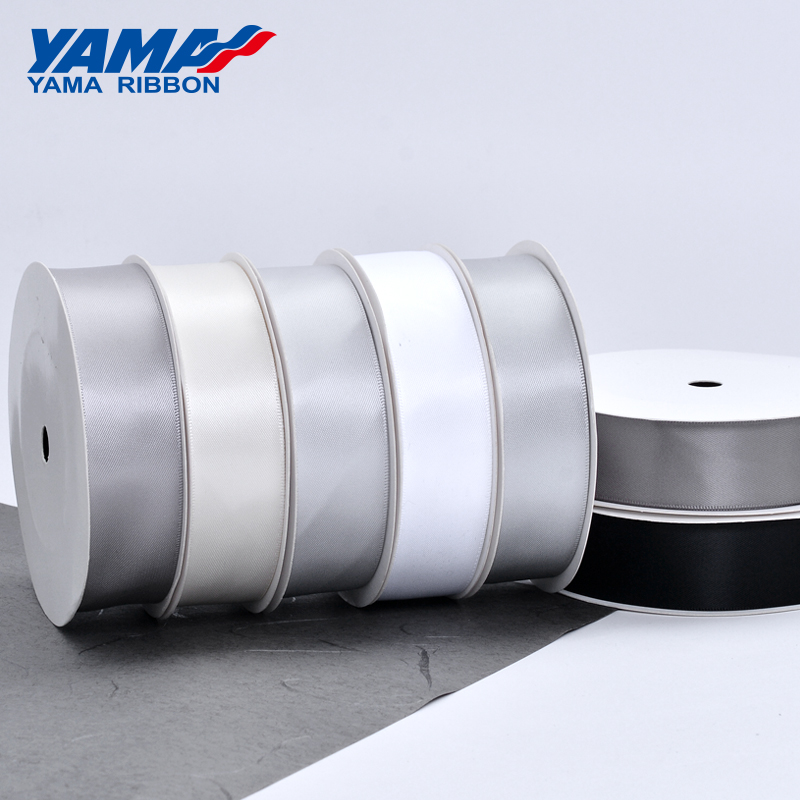
9. Black Ribbon
The black ribbon is most often worn to show remembrance and mourning for the loss of a loved one or a public figure. It is commonly worn at funerals or during periods of national mourning. The black ribbon can also represent melanoma awareness, as it’s a symbol for raising awareness about the dangers of skin cancer and the need for sun protection.
Key Associations of the Black Ribbon:
- Mourning and Remembrance
- Melanoma Awareness
- Skin Cancer Awareness

10. Gray Ribbon
The gray ribbon is used to raise awareness about brain cancer. This ribbon represents the hope and strength of those battling brain tumors and helps to spread awareness about the importance of early detection, treatment, and research for brain cancer.
In addition to brain cancer, the gray ribbon is also associated with spinal cord injury awareness, drawing attention to the challenges faced by individuals who have suffered spinal injuries.
Key Associations of the Gray Ribbon:
- Brain Cancer Awareness
- Spinal Cord Injury Awareness
- Brain Health
Ribbons are powerful symbols that transcend simple adornment.
They carry messages of hope, awareness, and solidarity, helping to foster understanding, inspire action, and support important causes. By wearing a ribbon of a specific color, individuals can show their support for causes that matter most to them, raise awareness, and inspire change. Whether it’s for cancer awareness, mental health, or social issues, each ribbon color serves as a small yet meaningful reminder of the issues we face as a global community.
Next time you spot a ribbon, remember it’s not just a piece of fabric—it’s a symbol of advocacy, awareness, and action. So, let’s continue to wear our ribbons with pride and work together to make the world a better place.
Yama Ribbon: A Leading Supplier of Quality Ribbons and Custom Solutions
Yama Ribbon is a renowned company specializing in the production and distribution of high-quality ribbons. Known for their innovation and expertise, Yama Ribbon offers a wide range of products tailored to various industries, including fashion, gift wrapping, event planning, and awareness campaigns. The company provides a diverse selection of ribbons in numerous materials, patterns, and colors, including the most popular ones used for symbolic causes.
Their product offerings include satin ribbons, grosgrain ribbons, organza ribbons, and custom-printed ribbons, among others. Yama Ribbon is particularly committed to creating ribbons that meet the highest standards of durability and aesthetic appeal, making them ideal for both decorative and functional purposes.